AAFDA CEO Frank Mullane Awarded MBE in 2019 New Year's Honours list


To view the AAFDA press release on our Linktree page, click here
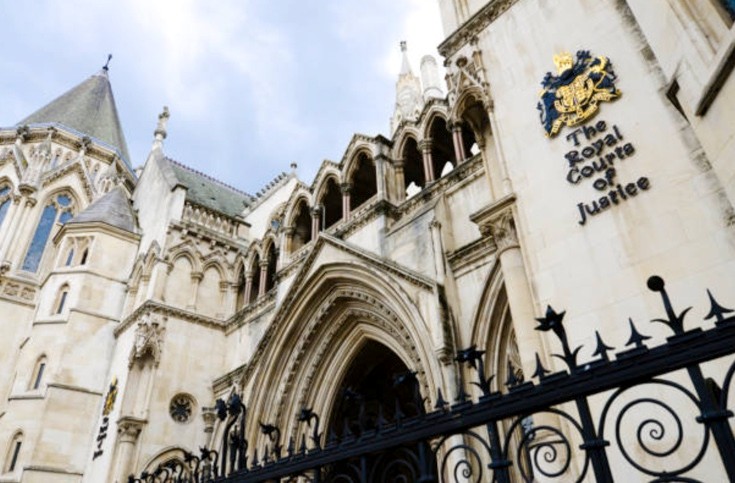
The High Court is due to consider whether the Parole Board's decision to release
Glyn Razzell should stand, following a referral by the Ministry of Justice under its
recently granted powers (December 2025). Royal Courts of Justice, Strand,
London, WC2A 2LL.
Razzell was convicted in 2003 of the murder of his estranged wife, Linda Razzell
and Linda's body has never been recovered. Advocacy After Fatal Domestic Abuse (AAFDA) is supporting her daughter, Catherine Razzell, throughout the
proceedings, and both Catherine and AAFDA CEO, Frank Mullane, will attend the
hearing.
AAFDA believes that the case raises important questions about the application of
Helen's Law. Although the law does not prevent the release of an offender, it
requires the Parole Board to take into account an offender's failure to disclose
the whereabouts of a victim's remains when considering whether release is
appropriate.
Daughter Catherine Razzell said:
“We welcome the move to refer the Parole Board’s decision to the High Court.
We still do not know where our mother’s body is. Our father continues to deny he
killed her, has done nothing to address his abusive behaviour, and refuses to tell
us what he did with her remains. We do not believe a convicted murderer should
progress through the prison system while denying the offence, showing no
remorse, and withholding the only information that could bring our family any
measure of peace or closure.
Glyn Razzell still clearly poses a risk to the public. If a person shows no remorse,
makes little, if any, attempt to address the roots of their offending, and
demonstrates continuing cruelty to their victims- in this case their own children-
where is the evidence to suggest they are any less dangerous than the day they
committed the crime?”
Ex Lord Chancellor Sir Robert Buckland KC said:
“I wonder if the Parole Board has given sufficient weight to Helen’s Law in making
this decision.”
Chief Executive of AAFDA, Frank Mullane MBE, said:
“Helen’s Law made clear that murderers who refuse to disclose information
about their victims should expect to face longer behind bars. If someone knows
where the body is and they are mentally and physically capable of sharing that
information, then they should not expect to be freed unless they disclose this
information. Wilfully holding onto that information is immensely cruel. The
Government is pursuing a target to halve violence against women and girls. What
message does it give about society’s care for women and girls, if the rights of
murderers demonstrably sit above them? This case raises broader questions
about how the criminal justice system balances prisoners’ rights and the
interests of victims' families.”
Notes to editors
1. Advocacy After Fatal Domestic Abuse (AAFDA) is a national charity
providing specialist advocacy to families bereaved by all forms of fatal
domestic abuse, including domestic homicide and suicide, unexplained
death and neglect in the context of domestic abuse. https://aafda.org.uk/
AAFDA works on behalf of families and friends to ensure their loved one's
voice is heard. The charity provides the national accredited training for
persons to chair DHRs, other training, information, guidance and advice to
professionals involved in cases of fatal domestic abuse.
2. Glyn Razzell was convicted in 2003 of the murder of his wife, Linda Razzell.
3. The Ministry of Justice directed the Parole Board to refer its decision to the
High Court under its new statutory powers (in force from December 2025).
4. Helen's Law requires the Parole Board to consider an offender's failure to
disclose the whereabouts of a victim's remains when making parole
decisions. It does not create an automatic bar to release.













.png)